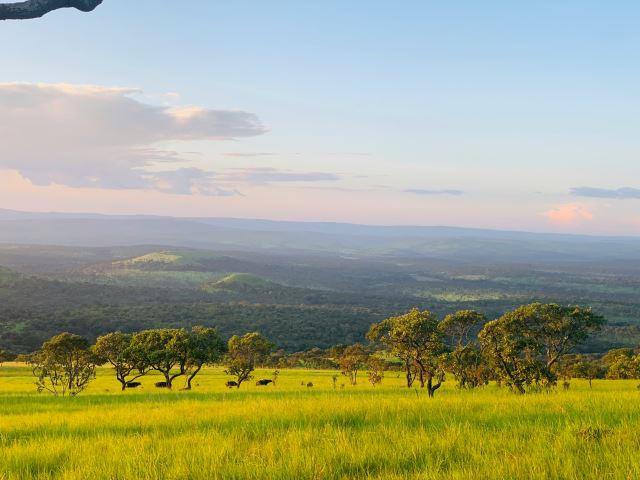
Bujumbura is Burundi’s largest city and economic centre, extending along the northeastern shore of Lake Tanganyika beneath the hills of western Burundi. Although the national political capital is Gitega, Bujumbura remains the country’s main commercial hub, with its principal port, international airport, markets and many businesses. Lake Tanganyika strongly shapes the city’s setting and daily life, providing fishing grounds, beaches and transport links. Inland, the terrain rises from the warm lakeshore toward cooler highlands, giving Bujumbura a distinctive position between one of Africa’s great lakes and Burundi’s mountainous interior.
Burundian traditions are visible in Bujumbura through music, dance, crafts and social gatherings. Kirundi is widely spoken, alongside French, while basketry, pottery, woodcarving and traditional musical instruments remain important forms of craftsmanship. The Living Museum of Bujumbura combines cultural displays with workshops devoted to pottery, forging, basketry and musical instruments. Another important landmark is the mausoleum of Prince Louis Rwagasore on Mount Vugizo, commemorating a central figure in Burundi’s independence movement. South of the city, the Livingstone–Stanley Monument at Mugere marks the explorers’ journey together along the Lake Tanganyika shoreline.
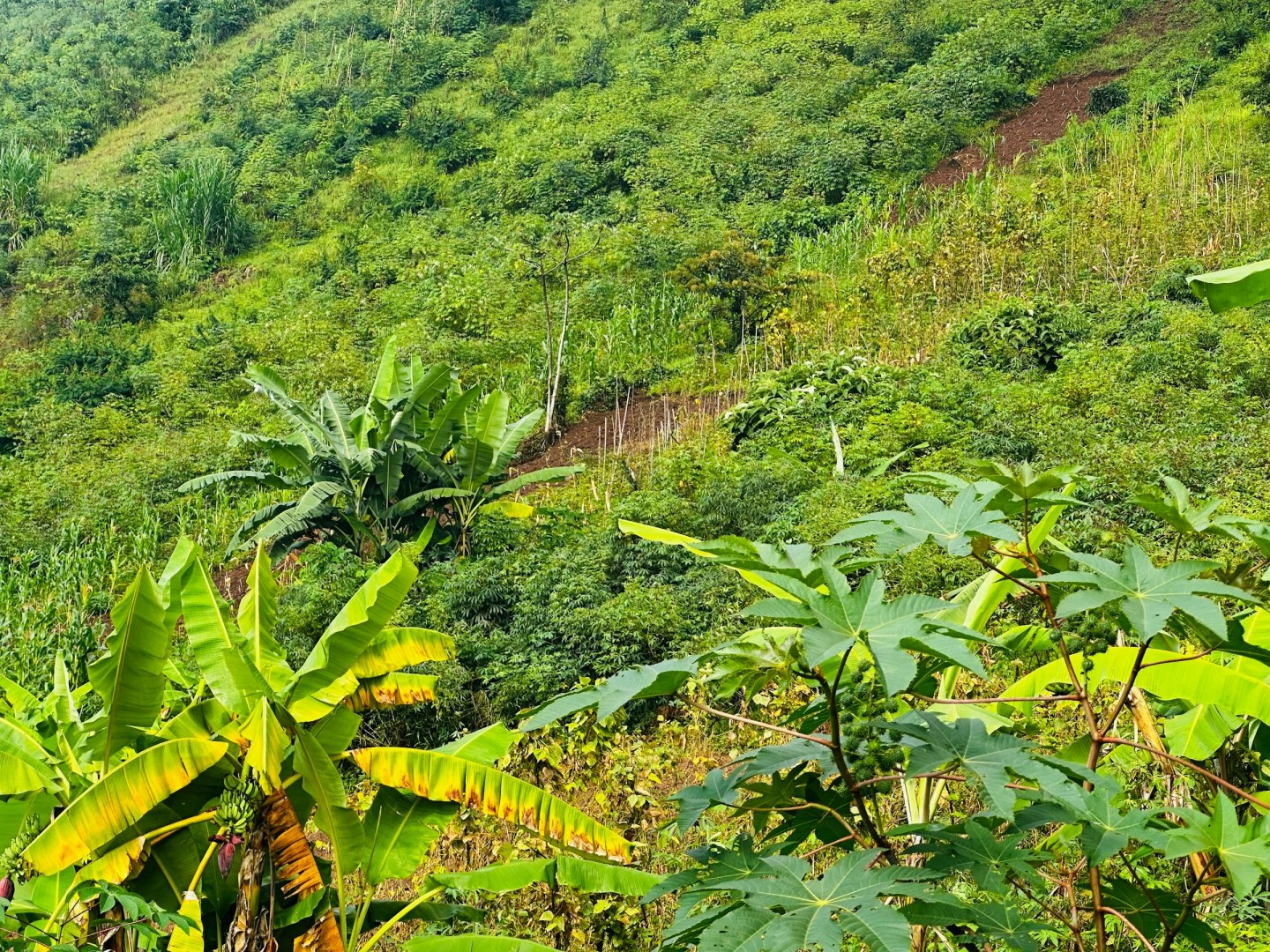
Fish from Lake Tanganyika is central to Bujumbura’s food culture. Mukeke, a fish associated with the lake, is a particularly well-known local specialty and is commonly grilled or served with vegetables, plantains, rice or other accompaniments. Ndagala, small lake fish, are another familiar ingredient. The city’s restaurant scene also reflects influences from elsewhere in Africa, Europe and Asia, while traditional Burundian cooking remains widely available. Fresh produce, beans, cassava, plantains and maize feature prominently in the broader national diet, connecting meals in Bujumbura with agricultural communities across Burundi’s hills and valleys.